09 November, 2006

Evolving from Morley Safer to obese mice?

You may remember the startling report about 15 years ago by Morley Safer on ’60 Minutes’ regarding the ‘The French Paradox?’ The French were able to consume a high fat diet, yet had a much lower risk of coronary heart disease than a typical American would experience. The reason for this paradox was perceived to be the French population’s higher level of red wine consumption.

Recently, a study co-authored by researchers from Harvard University and the National Institutes of Health that found that resveratrol, a substance found in red wine, extended the life and improved the health of middle-aged, overweight mice. Why should we care about resveratrol or obese mice? Resveratrol is found in red wines and also produced by a variety of plants (including vines) when put under stress.

Resveratrol appears to be associated with anti-aging and preventing the effects of diseases of aging, such as diabetes, cancer and dementia. Using a high calorie diet on mice, researchers found that among the overweight mice, giving a control group resveratrol reduced the negative impact of being obese. When the mice were 60 weeks old, those mice receiving resveratrol showed a three- to four-month increase in survival, compared to mice not receiving the compound. By 114 weeks, when the mice reached old age, more than half of the animals on a high-fat diet alone had died, compared to less than one-third of those receiving resveratrol. "Resveratrol extends the lifespan of every species we have fed it to," said lead researcher David Sinclair, an associate professor of pathology at Harvard Medical School. "We are now showing that this is also possible for mice on a high-fat diet," he added. Resveratrol is said to stabilize blood sugar and other effects of obesity. Astoundingly, the organs of the fat mice that got the wine extract looked normal when they shouldn’t have, said study lead author Dr. David Sinclair of Harvard Medical School. And Sinclair said other preliminary work still being done in the lab shows the wine ingredient has promise in lengthening the life span of normal-sized mice, too. The resveratrol-treated 55 obese mice on a high-calorie diet (one scientist called it a “McDonald’s diet”) are not only about as healthy as normal mice, they are as agile and active on exercise equipment as their lean cousins, showing what can be considered a normal quality of life, higher than usual for obese mice, said study co-author Rafael de Cabo of the National Institute on Aging.

Heart Disease
Over the past several decades, many studies have been published in scientific journals about how drinking alcohol may be associated with reduced mortality due to heart disease in some populations. Some researchers have suggested that the benefit may be due to wine, especially red wine. Others are examining the potential benefits of components in red wine such as flavonoids and other antioxidants in reducing heart disease risk. Some of these components may be found in other foods such as grapes or red grape juice. The linkage reported in many of these studies may be due to other lifestyle factors rather than alcohol. Such factors may include increased physical activity, and a diet high in fruits and vegetables and lower in saturated fats.


According to the relatively conservative American Heart Association, research is being done to find out what the apparent benefits of drinking wine or alcohol in some populations may be due to, including the role of antioxidants, an increase in HDL ("good") cholesterol or anti-clotting properties. “Clinical trials of other antioxidants such as vitamin E have not shown any cardio-protective effect. Also, even if they were protective, antioxidants can be obtained from many fruits and vegetables, including red grape juice. The best-known effect of alcohol is a small increase in HDL cholesterol. However, regular physical activity is another effective way to raise HDL cholesterol, and niacin can be prescribed to raise it to a greater degree. Alcohol or some substances such as resveratrol found in alcoholic beverages may prevent platelets in the blood from sticking together.” On my last physical, my HDL level was 92 with the LDL being 88 (total cholesterol of 180). My doctor said that this was the first time that he had seen a higher HDL than LDL (bad cholesterol) where LDL is typically around 3x HDL. Another doctor friend of mine who previously did research in labs said that red wine is partially to receive the credit here, but the fact that I regularly exercise contributed as well.

Alzheimer's
According to new animal research, drinking red wine may help prevent Alzheimer's disease. In a research study, mice that were given cabernet sauvignon experienced significantly reduced Alzheimer's disease-type brain deterioration of memory function compared to mice that received ethanol or water.

The researchers, from Mount Sinai School of Medicine in New York, found that cabernet sauvignon's benefits were due to its ability to prevent the generation of proteins that cause plaque buildup in the brain, which is the main characteristic of Alzheimer's disease. "This study supports epidemiological evidence indicating that moderate wine consumption, defined as one drink per day for women and two for men, may help reduce the relative risk for AD clinical dementia," said researchers Dr. Giulio Maria Pasinetti and Dr. Jun Wang.

Diabetes
For humans, high calorie diets can increase glucose and insulin levels leading to diabetes, cardiovascular disease, and non-alcoholic fatty liver disease. In the Harvard study, researchers found biomarkers that might predict diabetes, including increased levels of insulin, glucose and insulin-like growth factor-1 in the non-resveratrol fed mice. For example, a standard diabetes glucose test on the resveratrol fed group found considerably higher insulin sensitivity, meaning the resveratrol group had a lower disposition toward diabetes than the non-resveratrol fed group. Lower insulin levels predicted increased lifespans in the mice. This is a tough prevention/cure dilemma as many doctors suggest their diabetic patients to stay away from wine due to wine’s natural grape sugars. It is best to consult your physician with any questions here.

Heart and Liver
In the Harvard study, researchers found that the livers of mice at 18 months of age on the non-resveratrol diet were greatly increased in size and weight. Liver tissue studies of these mice showed a loss of cellular integrity, and a build-up of lipids, which is common to high fat diets. In contrast, the resveratrol group had normal, healthy livers.

Immune System
Unlike many other alcoholic beverages, red wine does not suppress the immune system, according to preliminary studies at the University of Florida. While red wine has been reported to aid in the prevention of coronary heart disease and some cancers, no one had studied whether its alcohol content might offset any benefits, said food science and human nutrition researcher Susan Percival.
Percival, who specializes in nutrition and immunity, conducted a study to find out if red wine affects the immune system. Her research shows that the circulating white blood cells that fight infection are neither helped nor hurt by red wine. The study was designed to replicate moderate alcohol consumption for people, so the mice were given the equivalent of two or three glasses, or servings, of wine or alcohol per day.

Moderation
It is important to stress that this blog is neither condoning nor encouraging the consumption of alcohol. Over consumption of ethanol (alcohol) has shown itself to be more harmful than beneficial as will be explained below by the “J shaped curve.” Please note though that other benefits of moderate consumption that have been researched but not covered here are ethanol’s role in the prevention against strokes and in increased bone density in the elderly.


J Shaped Curve
OK, take a large population of people with the knowledge of their average daily alcohol consumption, and their mortality. Plot the mortality on the upright axis, and on the horizontal axis take alcohol average daily consumption. Now fit a curve to the data points. If you have a large enough population, you'll see a nice curve that has the shape of a J. That is, those who drink nothing, have what is estimated to be a baseline mortality, or the risk of death used as a reference point. As daily consumption increases, that risk of death drops slightly. Then, as alcohol consumption increases, the risk of death increases until it reaches the baseline (these people have the same risk of death as those who drink nothing at all), and as drinking gets heavier, the risk of death continues to increase steadily. This is called the J-shaped curve, and is a remarkably consistent finding from many large studies. It is the solid body of data that has led to the conclusion that moderate drinking is indeed beneficial to health. Yet, over-consumption will reduce the benefits and actually have negative consequences.

Resveratrol in Wine
When resveratrol data first began coming out around ten years ago, many presumed it would be the red grapes with the thickest skins that would contain the highest concentrations of resveratrol since resveratrol is found in the skins. Turns out that the thicker skinned varieties such as Cabernet Sauvignon, produce less resveratrol than thin skinned varieties such as Pinot Noir, as they have less stress protecting themselves against moulds and vineyard pests. ‘As if’ Pinot Noir needs another reason for us to drink it? We at WW have a terrific selection of Pinot Noirs in that are worth trying from Burgundy in France and other areas around the world. Ask your store manager for their favorites. You may want to try:


Burgundy
Colin Bourgogne Rouge 2004, Retail $18.99 Warehouse $15.99
Colin Maranges ‘Fussieres’ 2004, Retail $34.99 Warehouse $26.99
Bertheau Chambolle Musigny ‘Premier Cru’ 2004, Retail $69.99 Warehouse $49.99
Boillot Gevrey Chambertin ‘Cherbaudes’ 2004, Retail $59.99 Warehouse $51.99
California
Avila Pinot Noir 2005, Retail $14.99 Warehouse $10.99
Lily Pinot Noir 2005, Retail $21.99 Warehouse $17.99
Laetitia Pinot Noir 2005, Retail $24.99 Warehouse $19.99
New Zealand (coming soon) please look for these as well as our current in-store selections
Villa Maria ‘Cellar Selection’ Marlborough 2005
Vidal ‘Marlborough’ 2004
Rockburn ‘Central Otago’ 2003 which is a 90 pointer in the Wine Spectator

Winery Feature: Falesco from Umbria in Italy
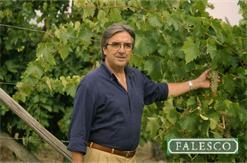


Falesco was established in 1979 with the principal aim of rediscovering and enhancing the value of Lazio’s traditional varietals. The winery is the brainchild of Italian wine-making icon Riccardo Cotarella. Falesco is located 50 miles from Rome and its vineyards are situated in the most prestigious areas around the Umbrian-Lazian border.

Est Est Est is straw yellow in color, fresh and structured because of a good level of acidity. Displays floral and fruity notes. Refreshing when served as an aperitif or with appetizers and fish dishes. Produced from 60% Trebbiano, 30% Malvasia, 10% Roscetto
Falesco Est Est Est 2005, Retail $9.99 Warehouse $6.99

Ferentano is produced from 100% Roscetto grown in estate vineyards in Montefiascone. Wine Advocate 90 points."It begins slowly aromatically, but builds intensity in the mouth revealing a tremendous, full-bodied, layered, honey character reminiscent of a southern Rhone blend of Roussanne, Viognier, and Marsanne. It could be served with meat dishes given its full body and intensity. This noteworthy value represents a remarkable achievement for this estate."
Falesco Ferentano 2004, Retail $24.99 Warehouse $19.99

Vitiano Bianco was born from one of the many experimental vineyards of the University of Viterbo. The grapes Vermentino, Viognier and Verdicchio all fair exceptionally well in the sediment and calcareous clay soils around the Marciliano estate. This white wine is nicely balanced, full and fresh while displaying characters of fresh grass, lime and ripe pears.
Falesco Vitiano Bianco 2005, Retail $10.99 Warehouse $7.99
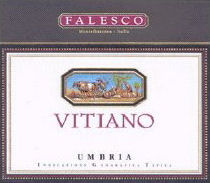

Vitiano Rosso is blend of equal parts Merlot, Cabernet Sauvignon and Sangiovese grapes grown in the region of Umbria. This is a young red wine with explosive, luscious aromas. Always a favorite at the Wine Warehouse. Wine Advocate ’89 points.’ “A rich bouquet of black cherry jam, licorice, tobacco leaf, and spice box, surprising density, and medium body. As I have written before, it’s almost too good to believe at this price.”
Falesco Vitiano Rosso 2005, Retail $10.99 Warehouse $7.99

Montiano is produced from 100% Merlot grown in the Montiano vineyard in Lazio. Montiano has a wonderful deep, ruby red color and a wide range of aromas such as vanilla and small red fruits with layers of jam and sweet spices. It is full-bodied, round and soft on the palate with an elegant and lingering finish.
Falesco Montiano, Retail $49.99 Warehouse $39.99
Falesco Montiano 375ml, Retail$24.99 Warehouse $19.99

The Merlot Pesano is produced from 100% Merlot grown in varied estate vineyards in Umbria. This Merlot is unfiltered and exhibits a deep ruby-red color and rich, spicy aromas. Wine Advocate 90 points. "An extremely intense, amazing bargain, the Merlot Pesano (100% Merlot aged 5-6 months in barrel) exhibits a deep ruby/purple hue, and fleshy, concentrated, black cherry, cassis, smoke, herb, and mocha aromas and flavors. This medium-bodied, concentrated, unbelievably low-priced red is too good to be true."
Falesco Merlot Pesano, Retail $17.99 Warehouse $14.99

Marciliano is produced from 70% Cabernet Sauvignon and 30% Cabernet Franc grown in estate vineyards in Umbria. Marciliano has a profound dark purple color and exhibits complex aromas of tobacco and slate. This wine is a great representation of Cabernet when all of nature's forces are working together. This is Umbria’s version of a ‘Super Tuscan.’
Falesco Marciliano 2003, Retail $59.99 Warehouse $49.99

Speaking of healthy, please don’t forget our fantastic selection of Estate Grown olive oils from Italy including:
Falesco Olive Oil 500ml, Retail $18.99 Warehouse $14.99
Falesco Olive Oil Marciliano 500ml, Retail $29.99 Warehouse $19.99

Sante from the blogsphere…………………

02 November, 2006

G’Day Skippy, care for an Aussie wine?

Taltarni
One of the first premium Australian wines that I can remember seeing in the US was Taltarni Vineyards. Established in 1969, Taltarni is a founding winery of Victoria’s Pyrenees wine region which is near Melbourne. The picturesque 700ha property, released its first wine in 1977. Today Taltarni has 132ha of vines. The Pyrenees wine district is one of life’s hidden treasures – the rolling hills, sweeping bluffs and gum trees create a beautiful landscape. In local aboriginal dialect Taltarni means ‘red earth', describing the rich, red soil of the region. Taltarni Vineyards is affiliated with Clos Du Val Winery in the Napa Valley and Bernard Portet, Clos du Val’s winemaker and the former winemaker at Ch Lafite Rothschild.

Taltarni is one of the pioneers of Australian Sauvignon Blanc - its cool climate and vineyard elevation ideally suited to creating a wine with an outstanding combination of tropical fruit, gooseberry and lime sorbet characters and a refreshingly crisp finish. This wine is crafted from fruit sourced from vineyards in Victoria’s Pyrenees and Tasmanian wine regions. Inclusion of Tasmanian fruit imparts an explosion of cool climate aromas and lifted gooseberry, citrus and grapefruit flavors. The 2005 vintage is bursting with a mix of fresh fruit salad aromas of passionfruit, grapefruit and limes.

Taltarni Sauvignon Blanc 2005, Retail $14.99 Warehouse $9.99

Taché is a French word meaning ‘stained’ and refers to the rare winemaking method used since 1985 by Taltarni to create this fine rosé-colored sparkling wine. Its amazing delicate salmon pink color is achieved by adding a dash of red wine liqueur to the finished tirage wine at disgorgement. Disgorgement is when the yeast lees and sediment are popped out of the bottle where the wine will then see its final blending with the liquer de triage.Taltarni’s Brut Taché 2004 is a blend of three classic sparkling wine varietals Chardonnay, Pinot Noir and Pinot Meunier sourced from our cool climate vineyards in Victorian and Tasmanian wine regions. Each bottle of Taltarni Brut Taché is fermented in its original bottle and matured on yeast lees for 18 months followed by 3 months on cork prior to release according to traditional methods to create a complex sparkling wine. This wine has an salmon-pink color, on the nose an assortment of fresh fruit, rose petals, apricots and white peach aromas complemented by complex yeasty characters.

Taltarni Brut Tache, Retail $19.99 Warehouse $17.99

Taltarni’s Pyrenees Shiraz is grown from cuttings sourced from 100 year old vines planted at Seppelt’s Great Western Vineyard in 1864. Shiraz is a variety that thrives in the Pyrenees producing a deep magenta colored, complex, rich and peppery style with intense spicy, berry aromas and well-balanced and ripe tannins. The 2002 vintage in the Pyrenees produced exceptional red wines. An unusually cool summer, minimal rainfall and a gradual, extended ripening period resulted in optimal natural acidity, sugar and flavor development in all varieties. Yields were down by about 50% and with fewer more concentrated berries produced an array of intense, concentrated fruit flavors. This wine is an 100% Estate Grown Shiraz – fruit is selected in individual parcels to create a luscious wine with the perfect assortment of rich berry flavors and spice. Aged for 16 months in French oak barriques creates a complex wine with fine tannin structure.

This Shiraz sports aromas of sweet berries combine with hints of violets and mint followed by a full palate of rich dark spicy fruit leaving trails of dark chocolate, licorice and cherries. The wine was fermented in traditional open-top fermenters with heading board system. The pressed wine was aged in a combination of new French and American oak complemented with an even mix of 1, 2, 3 and 4 year old oak.

Taltarni ‘Pyrenees’ Shiraz 2002, Retail $17.99 Warehouse $14.99


One of our favorite new wineries is Kangarilla Road. Winemaker Kevin O’Brien recently did a tour of Florida and conducted tastings in a few of our Wine Warehouse stores. Pictured above from our Atlantic Beach store are store manager Mark Graeser, Kevin and AB assistant manager Sushi. Named after the road the vineyard resides on, Kangarilla Road is 22 miles south of Adelaide and nestled between the Gulf of St. Vincent and the South Mount Lofty ranges. The Cabernet Sauvignon is sourced from four vineyards in the McLaren Vale district. The major percentage is from Kangarilla Road’s McLaren Flat vineyards together with that of its immediate neighbor. These vineyards located at the northern part of the foothills ripen later than many of the other sub-regions resulting in "cooler climate" aromatic dark fruit driven wines with intense mid to back palate presence and an abundance of soft velvety tannins. The balance of the blend is sourced from a vineyard in the Seaview and Aldinga regions of McLaren Vale. Both of these vineyards are located in highly stressed sites where the influence of strong wind and sandy soils give rise to intense aromas and flavors.

Kangarilla Road Cabernet Sauvignon, Retail $21.99 Warehouse $18.99

Kangarilla produces an amazingly fresh and delicious Viognier. This light straw colored wine has green hues and lively aromas of ginger, marmalade citrus and hints of zesty oiliness that are characteristic of Viognier. Mouth filling, sweet jammy and zesty citrus flavors coat the palate with integrated oak, and fresh acidity. Seventy percent of this wine was fermented in new French oak Barrels.

This wine is blended from equal proportions of Viognier from vineyards in three distinctive areas within McLaren Vale. The Viognier from Kangarilla Road’s McLaren Flat vineyards located at the northern section of the foothills ripen later than other sub-regions resulting in "cooler climate" elegant light conserve characters that marry well with barrel fermentation.

From the Wine Advocate, a delicate, nuanced style of Viognier, the 2005 makes a mockery of many New World, tooty fruity, bubble gum type wines. Exceptional freshness, a mineral-like character, medium body, and plenty of peach, apricot, and citrus oil notes are present in this impressively endowed effort. It should drink nicely for several years. 90 points
Kangarilla Road Viognier, Retail $18.99 Warehouse $15.99

Who says Zinfandel is only grown in California? Kangarilla produces a blockbuster Zinfandel from the McLaren Vale that is crimson with red hues, ripe, dark berry fruits with plum and hints of dark cherry integrated with nuances of oak and spice. Full, long flavored with crushed red and black fruits and a soft yet flavorful finish. Sourced from Kangarilla Road ’s estate vineyard in McLaren Vale. This vineyard includes 30-year-old non-irrigated vines growing in low vigor red/brown loam creating a useful stressed environment that Zinfandel loves so much.
This Zin is fermented by using a submerged cap in open-top fermenters. 25% of this wine sees new French oaking, with the balance in 3 and 4 year American oak barrels. The 2003 vintage was one of extremes. Drought conditions were the most severe since 1985 and the strong winds during flowering and fruit set affected cluster numbers and the formation of berries. The resultant wines are intense in color and rich in aroma and flavor. 2003 was a winemaker’s vintage and Kevin did a superb job.

From the latest Wine Advocate: One of my favorite McLaren Vale wineries, Kangarilla Road offers very realistic prices for the quality of their wines. Substantial and rich, but still elegantly styled is the fig, fruit cake, black cherry, and pepper-scented 2003 Zinfandel McLaren Vale. Heady, well-made, and pure, it should drink well for 2-3 years. 90 points

Kangarilla Road ‘McLaren Vale’ Zinfandel, Retail $32.99 Warehouse $25.99

Kangarilla Road Shiraz is produced primarily from Kangarilla Road’s McLaren Flat vineyards located at the northern part of the foothills that ripen later than other sub-regions, resulting in "cooler climate" spicy aromatic dark berry (cherry) driven wines with intense mid to back palate impression and soft velvety tannins.

The second component is sourced from the Blewitt Springs and Seaview areas where soils range from mostly deep sands to red earth on limestone giving the wine spicy bold dark plum characters very important as a nuance to the 2003 wine. A small percentage of the blend is from the Hackham sub-region. Here the Shiraz ripens early, yields are very low and the wine is intense and almost Vintage Port like in style. The small percentage (around 10%) of the blend contributes enormously to the overall complexity of the wine. The final small percentage of the blend is from a vineyard in the Sellicks sub-region, which is very close to the sea. Shiraz ripens early here also with very low yields that have herbaceous characters with firm Cabernet like tannins.

Opulent aromas of dark berries, fruit cake with brambles, raisins and savory spices. Powerful, full-bodied style with loads of ripe, dried fruit flavors, spicy acidity and a long integrated finish. Drink over the next few years.

Check out the latest Parker press! The stunning 2004 Shiraz boasts deep mocha, blackberry, cherry, and white chocolate notes interspersed with hints of new oak (both French and American wood are used), pepper, smoke, and coffee. This rich, layered, tasty Aussie red can be drunk now and over the next 7-8 years. 92 points

Kangarilla Road Shiraz, Retail $21.99 Warehouse $18.99

Cape Barren
The Cape Barren name comes from the Cape Barren goose, which is native to the coastal areas of Southern Australia. Cape Barren geese can be seen feeding in and around the Blewitt Springs vineyard.
Cape Barren’s Blewitt Springs vineyard, previously a source of Shiraz for several Australian icon wines, was chosen to provide the grapes for Cape Barren Old Vine Shiraz. Blewitt Springs is a small vineyard of approximately 10 acres that is cooler and has a longer ripening period than the nearby vineyards at Willunga and McLaren Flat. The low yielding vines at The Springs are over 70 years old and at best they produce two tons of fruit per acre. The unique terroir of this vineyard allows for the creation of an elegant, single vineyard Shiraz that possesses profound depth of flavor.

The intense 2003 Shiraz has ripe berry, blackcurrant fruits and fragrant spices on the nose. It is richly textured and flavored with anise and clove accents backing dark berry fruits. Maturation in 300 liter barrels provided a hint of integrated vanilla and oak with softly textured tannins and a long length of persistence.

From Robert Parker: The 2003 Shiraz Old Vine is a big, full-bodied effort exhibiting notes of melted chocolate, chewy blackberry and cassis fruit, and toasty oak. With plenty of glycerin, alcohol, and rich fruit in its deep, formidably endowed, velvety textured personality, it should be drunk over the next 5-6 years. 93 points

Cape Barren ‘Old Vines’ McLaren Vale Shiraz 2003, Retail $31.99 Warehouse $24.99

Jacob’s Creek
What’s an Aussie wine blog without a value offering? Jacob’s Creek is the world’s most popular Australian wine by selling over 7 million cases worldwide. Jacobs Creek is owned by drinks giant Pernod Ricard. Pernod Ricard is one of the top three wine and spirits companies in the world. Pernod Ricard has emerged to be more than just an anise liqueur. We have three of Jacob’s Creek’s popular wines at very popular prices.


Jacob’s Creek Shiraz 2004 possesses ripe blackberry mid-palate with hints of spice. Rich and full-flavored with velvet tannin structure and subtle toasty oak notes.
1.5 liter Retail $14.99 Warehouse $9.95

Jacob’s Creek Cabernet Sauvignon 2004 has a nose displaying intense varietal aromas of ripe plums, cassis, blackcurrant with hints of spice and subtle oak influence.
1.5 liter Retail $14.99 Warehouse $9.95

Jacob’s Creek Chardonnay 2005 is fragrant and fresh. Nectarine, honeydew melon and citrus blossom aromas combine with a subtle spice and toasty oak characters.
1.5 liter Retail $14.99 Warehouse $9.95

Campbells
On to the stickies! We have a pair of ultra-expressive dessert style wines from Campbells. The Campbells are a fourth generation Rutherglen winemaking family dedicated to continuing the Rutherglen tradition that began in 1870 of producing deep and complex wines from the region. I once sat a wine exam where in previous years the examiners were know to stick in a Rutherglen Liquer Muscat into the blind tasting. I had never tasted a Liquer Muscat as they were not that easy to find in the US at the time. Sure enough, there was one on the exam and I nailed it. Why? It couldn't have been anything else. Try this wine and see, there are musky, deep berry aromas, bright amber, golden hues with copper hints belong to this wine. The palate is luscious and mouth-filling with raisin fruit followed by a long finish. There is nothing quite like it anywhere. The wine is blended to maintain a consistent house style when combined with wines from previous vintages – some are more than 30 years old.

The grapes for this Muscat and the following Tokay were entirely sourced from Campbells ’ family owned and managed vineyards located in Rutherglen in North East Victoria, Australia. Rutherglen’s cold, frosty winters with good rains, warm-to-hot, dry summers and long, mild, dry autumns allow for steady and full grape maturation.

More notes from Parker: The unctuous, light amber-hued non-vintage Muscat exhibits a sweet, caramelized, raisiny character with notes of plums, fruitcakes, and marmalade. It is gloriously sweet yet relatively light on its feet. 93 points

Campbells Rutherglen Liquer Muscat 375ml, Retail $18.99 Warehouse $15.99

The Campbells Tokay wine is a style and not a grape but is actually made from the Muscadelle grape and is blended with wines from previous vintages to produce a consistent style. This wine contains portions from a number of different vintages as old as 30 years. Made from a white grape, this wine is much lighter in color than a port or muscat of equivalent age.

Each vintage of the Tokay grapes are left on the vine (20- to 25- year-old vine age) to ripen fully until raisined and brimming with natural sugar. The wine is then blended with wines from previous vintages to produce a consistent style. Deep, brilliant, burnished gold with a nose displaying toffee, honey and cold tea characters. The toffee and tealeaf characters are predominate in the front palate with bracing hints of spirit and mellowed oak on the finish.

Another Parker note: The non-vintage Tokay reveals hints of Chinese black tea interwoven with caramel, buttered nuts, prunes, and toffee. These wines rarely improve in the bottle, but even after 5-10 years, they do not reveal any signs of falling apart. 91 points

Campbell’s Rutherglen Tokay 375ml, Retail $18.99 Warehouse $14.99

Cheers mates!

26 October, 2006

‘Gang of Four’ minus one; plus ‘The King’

It’s getting to be that time of the year…closing in on Beaujolais Nouveau 2006…….but wait…..the 05 non-Nouveau wines are here and are spectacular! Flashback…………………………….


Ah, the 1970’s and 80’s. Life was good for the producers of Beaujolais. The world was in love with the hip trend of gulping vast amounts of an electric red liquid we know as Beaujolais Nouveau. Back in 1988 Beaujolais Nouveau accounted for an astounding 60% of the region’s production. Nouveau is an accountant’s dream. Beaujolais nouveau is produced quickly, cheaply and with almost an immediate ‘ROI.’ During the 80’s I was spending my time as a wholesaler trying to convince restaurants to be ‘cutting edge’ and put all nine crus of Beaujolais on their wine lists, even though the growers and producers of Beaujolais seemed to be putting most of their efforts into marketing and selling Nouveau. Unfortunately for the Beaujolais producers, fashions have changed. Beaujolais Nouveau is now less trendy around the world and to make matters worse, a French periodical has recently called the wines from the Beaujolais region ‘les vins de merde’ which is untranslatable in this politically correct wine blog. It’s something about the meeting of wine and the number 2. After much consternation and a lawsuit against the periodical, the Beaujolais producers and marketers have begun to emphasize the quality wines of the region.

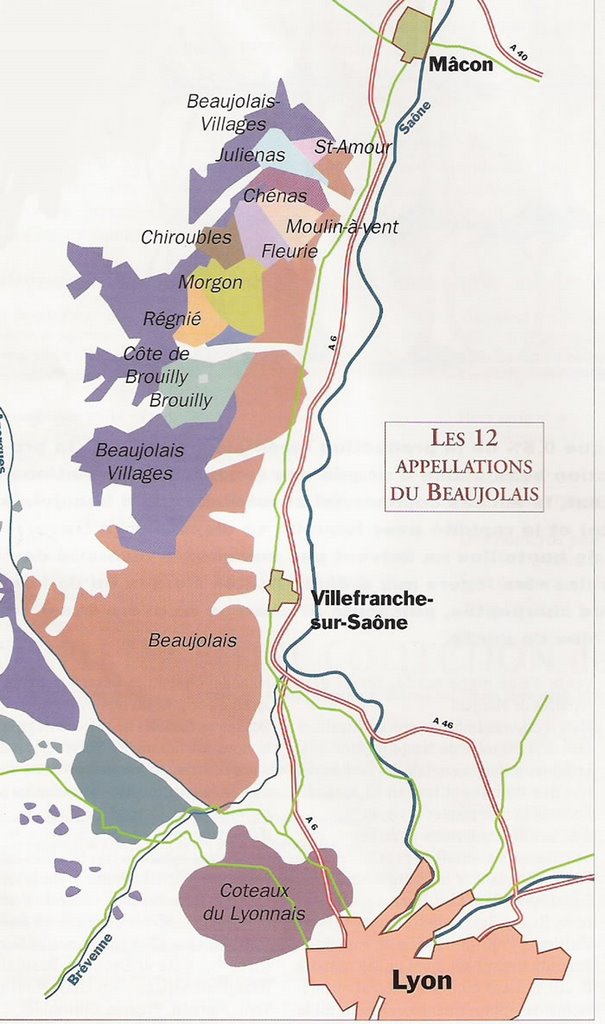
OK, all of you Sommeliers out there, Regnié was indeed added in 1988 to the Crus of Beaujolais and there are now 10 instead of the previously alluded to 9 crus. From north to south the names are St-Amour, Juliénas, Chénas, Moulin-à-Vent, Fleurie, Chiroubles, Morgon, Regnié, Brouilly and Côte de Brouilly. These 10 Cru wines from are all from Beaujolais, but are not likely to refer to Beaujolais on their labels.The most profound wines from Beaujolais are often found in Morgon and Moulin à Vent, which can taste more and more like Pinot Noir as they age, even though they are made from the Gamay grape. According to DNA analysis Gamay is the member of a vast family of Burgundian grapes spawned by Pinot Noir and obscure white grape variety Gouais Blanc. Gamay is therefore also related to all the other Pinots, Chardonnay and Melon de Bourgogne, the Muscadet grape.

Beaujolais for early consumption is vinified quickly in sealed vats using the carbonic maceration method where the grapes are the bottom of the vat are crushed by those at the top which may never been crushed but ferment in the atmosphere of carbon dioxide. Now more and more growers, particularly those in the Beaujolais crus, are once again, making their wines similarly to traditional red Burgundy, fermenting the grape in open wooden vats and ageing them in small barrels, so that the overall effect is a much deeper-colored, more tannic, long-lived wine that may not be ready to drink until four or more years after the harvest. These more traditional wines still have Gamay’s refreshing acidity and bright fruit, but they also have many qualities that make them seem more like Pinot Noir in Burgundy.

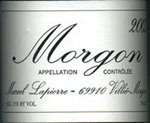
Before the feud between Robert Parker and Kermit Lynch, Mr. Parker wrote in adoring prose about four of KL’s Beaujolais producers from Morgon in Beaujolais; anointing them ‘The Gang of Four.’ Marcel Lapierre, Jean-Paul Thevenet, Guy Breton and Jean Foillard form the ‘Gang of Four’ who’s principles include harvesting at the latest possible moment for ultimate ripeness and flavor, farming organically or bio-dynamically, no sulfur or commercial yeast are added during fermentation and the wines are not filtered. These wines are a pure as you are going to see, with the one caveat being that they may not be a stable as an adjusted and filtered wine. It is best to ship and store them cool for stability so WW brings these wines in on a refrigerated container and we house the wines at 63 degrees Fahrenheit in our warehouse. WW has three of ‘The Gang’s’ 05’s in stores for your pleasure.

Marcel Lapierre Morgon 2005
Lapierre farms 22 acres of 40 year old vines in Granitic soil. Production averages around 3500 cases per year. This is the flashiest of the ‘Gang’ when first opened. This wine shows a vibrant black-cherry color with a rich, meaty, raspberry nose. The palate shows the structure of a fine Pinot Noir with enticing aromatics of raspberry and blueberries. This is serious stuff! Continues to gain aromatics and flavor in the glass.
Retail $ 21.99 Warehouse $16.99


Guy Breton Morgon 2005
This Vielles Vignes cuvee is produced from grapes grown on 80 year old vines. Only 1700 cases are produced on average per annum. The 2005 sports a pretty shade of a cross between raspberry and red roses. I cannot escape the feeling that this wine is a dead ringer for Pinot Noir. Silky cranberry with a touch of blue fruits emerge on the palate. Character continues to expand in the glass. This wine will drink well now, but should keep well for at least a decade.

Retail $24.99 Warehouse $19.99


Jean-Paul Thevenet Morgon 2005
Thevenet farms 12 acres of vines that average 70 years in age. Production averages 2000 cases per year. Has a bricky purple color. While the Lapierre and Breton wines remind me of Pinot Noir, the aroma of the Thevenet reminds me more of their southern neighbor’s wine, Hermitage. He uses long skin contact and also uses the carbonic maceration method. This wine has old vine intensity, meaty, deep berry, smoky and sweaty characters. Very intense. Somewhat gamey and meaty with deep berry characters in its core. Try with a roast.
Retail $24.99 Warehouse $19.99


And now we bring you the King. He is neither Elvis nor Arnold Palmer, but the King of Beaujolais, Georges Duboeuf. Since the early 80’s, Duboeuf has dominated this region with his well designed flower labels, interesting bottles, grower bottlings and more importantly, sound wines.

Georges Duboeuf Beaujolais Villages 2005
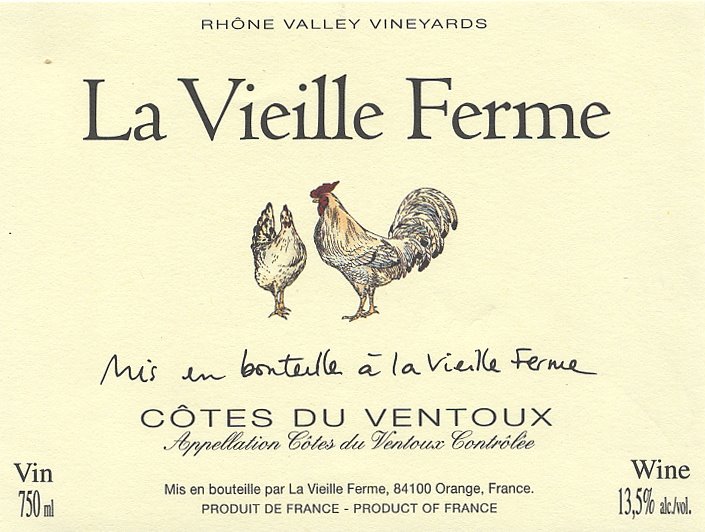
Not since his ‘Vintage of the Sun’ from 1985 has there been as profound a Duboeuf Beaujolais Villages as this 2005. I can recall being in Burgundy in September of 1985 wishing that I had an air conditioner. The grapes for this wine came from the Villages vineyards which have a higher pedigree than AC Beaujolais and less of a pedigree than the crus. This wine displays a fluorescent magenta color, has an effusive banana and raspberry nose, on the palate the texture is silky yet substantial. There are fresh, fruity, jammy, bubblegummy and lively flavors on the palate. Well balanced, with a surprising amount of guts. This and the La Vieille Ferme Cotes du Ventoux could be the best $5.99 red wines that you will ever see. 1.5 Liter Retail $14.99 Warehouse $10.99 and 750ml Retail $7.99 Warehouse $5.99


Perhaps we should try to balance this blog out a little bit with a mention of a few white wines? Jean-Jaques Robert of Robert-Denogent in Pouilly Fuisse is a friend of the ‘Gang of Four’ Morgon producers. His winemaking ideals follow the same philosophies of low yields, very little added sulfur and no filtration. These are Pouilly Fuisse wines masquerading as Meursult Premier Crus. The St Veran and Macon wines are more affordable and offer many of the same characters as Denogent’s Pouilly Fuisee’s. These are all artisan wines that will result in hedonistic consequences. Jean-Jacques Robert will be visiting five of our stores in November for our final Return to France tasting of 2006.

Denogent Pouilly Fuisse La Croix VV 04, Retail $ 31.99 Warehouse $26.99
Denogent Pouilly Fuisse Les Carrons VV 04, Retail $49.99 Warehouse $39.99
Denogent Pouilly Fuisse Les Riesses VV 04, Retail $31.99 Warehouse $ 26.99
Denogent Pouilly Fuisee Claude" 04", Retail $39.99 Warehouse $34.99
Denogent St. Veran Les Pommards 04, Retail $28.99 Warehouse $24.99
Denogent Macon-Fuisse Taches 04, Retail $24.99 Warehouse $19.99
Denogent Macon-Solutre Bertillones" 04", Retail $24.99 Warehouse $19.99

And yes……………..we will have Beaujolais Nouveau commencing on November 16th………………………………………


Amities,
Monsieur Bloggy

18 October, 2006

Sassy, but not too ‘grassy’


Sauvignon Blanc (SB) has developed into a strong #2 behind Chardonnay in the minds of American white wine drinkers. There was a time when Robert Mondavi felt he had to coin the term ‘Fume Blanc’ in order to sell his Sauvignon Blanc. That time has passed. What was and is SB’s liability? The fact that SB can be so expressive in its character that it can turn some people off. You know the type: politically correct, your parent’s Buick, eating at a chain restaurant and then spending the night at a Marriott. Sauvignon Blanc is left or right wing politics, a Mini Cooper, dinner at Thai-Fusion and then a night at the ‘W.’ It is that expressiveness that makes SB such a ‘turn on’ to many wine-drinkers such as this writer. SB is the first wine I look for by the glass in a restaurant. A nice SB has the zingy freshness of Pinot Grigio, yet with more character. SB is fabulous when paired with shellfish, goat cheese, citrus based sauces and even herb based ones - which is a tall order for a wine!

It is actually its pungency that makes SB so attractive. The ability to grow SB grapes and achieve both ripeness and maintain its fresh and zippy character is the key to finding the variety’s optimal terroir. Many tricks are used in the vineyard such as multiple pickings to get green through ripe characters for a diversity of flavors. Leaves may be plucked for grape ripeness, but only on the morning-sun side of the trellis. The afternoon sun is generally warmer and may quickly ripen the SB variety which will drop its acidity, lessen its pungency, and may diminish its fruit expression. What fruits? The best SB’s resemble one or a combination of green apple, grapefruit, gooseberry, passion fruit, and green melon. Most SB’s are fermented in stainless steel at cool temperatures to preserve the grape’s primary fruit aromas and flavors. Some of the classics see oak aging and/or fermentation. At the Wine Warehouse you will find a well chosen selection of various expressions of SB.

You may notice that many SB’s are bottled with screw-cap closures. The fancy ‘in the know’ name for these closures is a Stelvin closure. These are used by progressive producers who are looking at maintaining the integrity of the wine that they put in the bottle. Stelvin closures have been proven to let in less oxygen than traditional or artificial corks, also assuring the absence of cork taint. That is all good! The irony here is that Stelvin is produced by a French owned company, Pechiney. The French market is somewhat conservative to change, and you will see that none of the French SB’s are in Stelvin. Daniel Chotard said that he is willing to bottle in Stelvin, but his importer, Kermit Lynch was not thrilled with the idea. Kermit can be more French than the French.

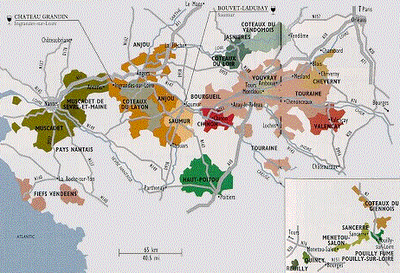
Classic European Sauvignon Blanc comes from Sancerre and its neighbor Pouilly Fume. These appellations can be found about an hour and a half drive south of Paris on the Loire River. Sancerre is famous for its grapefruit and passion fruit characters, with Pouilly Fume being similar with a touch of flintiness added. The Loire Valley in France has also some of the world’s best SB values as found in Reuilly or Cheverny. Further south in Bordeaux many Sauvignon Blanc may be blended with Semillon for longevity which also adds a dimension of waxy/lanolin characters to the wine.


The wine region that put SB on the map for many new world wine drinkers is the Marlborough Region of New Zealand. The first SB grapes were only planted in Marlborough in 1973 and the region has already achieved iconic status. Marlborough’s secret is a cool climate, some cooling winds with relatively vigorous soils. A well made Marlborough SB is like a Sancerre on steroids. It has all of the character of Sancerre with added weight and expression of fruit characters. No wonder the Hobbits located there.

Other new world expressions of SB that show some distinction are the cool Coastal climates of South Africa, Casablanca in Chile, and the cooler areas in Argentina and California. On to the wines!

2005 was not just a great vintage for red Bordeaux as the whole of France had a fantastic year. Well timed sunshine, cooling and precipitation made 2005 a vintage that many winemakers have called their greatest. The irony is that the greatest vintages seem to make themselves as the grapes are so perfect that the winemaker need only to not screw up what nature has given them. How about talking about some stunning Loire Valley 2005’s?

Hippolyte Reverdy Sancerre 2005
Reverdy Sancerre’s arrival is anticipated every year at WW. Why is this? Our allocation only lasts a few months and inevitably we are out for 9 months before the next release. There are only 26 acres of SB planted at the domaine. Reverdy is the classic SB with minerality and verve. The 05 opens with a nose of fresh fermentation smells, intense minerally lemon, green melon and passion fruit nose. On the palate there is an incredible purity of green apple and passion fruit flavor, ripeness, and a nice acid zing on the end. The wine does not show austerity, it is just a mouthful of flavor.
Retail $21.99 Warehouse $16.99

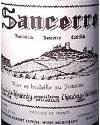
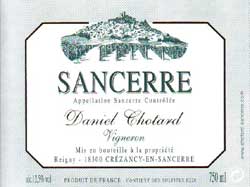
Daniel Chotard Sancerre 2005
Some of you may have met Daniel Chotard on our ‘Return to France’ tour this summer. He was pouring his beautiful 04, but he was talking about how spectacular his 05 is. Chotard’s Sancerre has more overt fruit coming through on the nose and palate than on the Reverdy. There are peachy and passion fruit aromas, a nice zing of acid on the front palate, a purity of lemon, peach, yellow apple and passion fruit on the palate. Chotard’s importer, Kermit Lynch finds Chotard’s style rich and supple….voluptuously fine.
Retail $21.99 Warehouse $16.99

Regis Minet Pouilly Fume 2005
Minet farms 20 acres of 25 year old vine SB. A recent 90 pointer and ‘Smart Buy’ in the Wine Spectator magazine. ‘Very racy, with nervy lemon zest, honeysuckle, straw and mineral notes that run through a crisp, mouthwatering finish. Delicious.’ On the bouquet we find a distinct, flinty, lemon and a perfumey minerality. The wine is fresh, and has passion fruit, lemon and ‘juicy fruit’ gum flavors on the palate that is balanced with a refreshing zing of acidity on the back palate. There were only 1700 cases produced.
Retail $ 18.99 Warehouse $15.99

Pierres Plates Reuilly 2005
Reuilly is an ancient winemaking village comprised of only 300 acres of vines. The vineyard ‘Pierres Plates’ soil is comprised of chalk, fossils, and sea shells as can be found in Chablis and is farmed with organic fertilizers. This Reuilly is a SB that is very Sancerre-like in its style. The fruit is lively, with white flower perfumes, citrus and minerality. This is an incredible value for a classic style of SB.
Retail $15.99 Warehouse $12.99

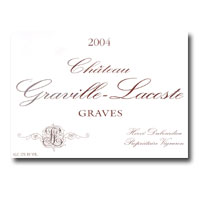
Chateau Graville Lacoste ‘Graves’ 2005
Graville Lacoste is produced 60% from 55 year old Semillon vines, 35% SB, and 5% Muscadelle. When vinified reductively, Semillon’s flavors can be more subtle and complex than SB. Graville’s gravelly soil produces an elegant, clean table wine with aromas of honey, lemon cream, acacia, red delicious apple and almond. Rich on the palate due to its percentage of Semillon but is crisp and dry on the finish. This is a classic example of the flavors represented in a white Bordeaux, but at a fabulous price. Proprietor Herve Dubourdieu visited our stores during the Return to France tour this summer. Retail $15.99
Warehouse $11.99


Back to Pouilly Fume for a minute. WW has available the most traditional and ‘classic’ producer in Pouilly Fume: Ladoucette.
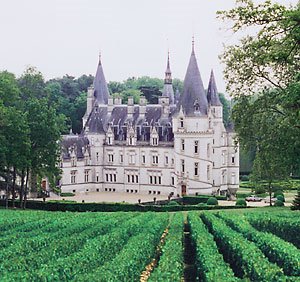
Ladoucette Pouilly Fume 2003
The picture is from the Ladoucette’s, Chateau du Nozet. Ladoucette has been a staple on wine lists in the US for years. Ladoucette is to Pouilly Fume as Santa Margherita is to Pinot Grigio. This wine is from the 2003 vintage where people were literally dying from the heat in Paris. The intense spell of heat is usually a disaster for a wine that wishes to maintain its fresh edge. Not a problem with this wine. Green apple, grapefruit and a hint of flint on the nose. Lemon, honeysuckle, pear and mineral on the palate. A long and balanced finish. Classy and sassy.
Retail $28.99 Warehouse $19.99

On to the ‘New World’ and the clean-green land of New Zealand Only 10 years ago New Zealand (NZ) wines did not have much of a presence here in the US. NZ actually had more Chardonnay planted back then as compared to its identity grape, SB. The NZ wines were becoming a hit for ‘Mother England’ and were slowly beginning to catch on here. The main thing holding back the NZ category was the availability of grapes. This problem continues to exist today. When I was in Marlborough this February, it was a ‘free for all’ with rival wineries trying to secure any and all grape contracts for Sauvignon Blanc. No wonder. The stuff continues to amaze people and win converts.
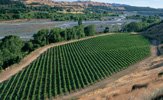
New Zealand’s most awarded winery is Villa Maria. Owner George Fistonich’s forward thinking, having secured his own vineyard land, landing the most favorable vineyard contracts and hiring the best personnel have paid off. There are more ‘Masters of Wine’ who have either worked for or continue to work for ‘Villa’ than any winery on the planet. Villa Maria is the largest privately held winery in New Zealand. George Fistonich had enormous guts in making the decision to go exclusively to ‘Stelvin’ (fancy screw-cap) closures for all of Villa’s wines. This was a few years before the education on and acceptance level of these caps was where it is today. The WW has admired and promoted Villa Maria’s wines for years.

Villa Maria ‘Private Bin’ Sauvignon Blanc 2005
This is ‘Villa’s’ entry level Sauvignon Blanc. Marlborough winemaker George Geris, who has been known to sport a terrific ‘mullet’ says this about his ‘Private Bin’ SB: ‘This Sauvignon is bursting with ripe gooseberry, citrus lime, melon and exotic herbal aromas. It is fresh and ripely flavored with fantastic intensity, finishing with crisp and racy acidity.’ Look for the 06 to be in stores in a month or so. In Stelvin for freshness.
Retail $13.99 Warehouse $9.99

Villa Maria ‘Cellar Select’ Sauvignon Blanc 2005
This is the next rung up the food-chain for Villa SB. The Cellar Select tends to be the most-flashy of all the Villa SB’s out of the chute. This 05 was a ‘Smart Buy’ from the Wine Spectator, ‘Zingy, juicy, lively with citrusy acidity, offering strong mineral character, quince and lemon zest flavors that persist on the finish.’ 91 points. In Stelvin for freshness.
Retail $18.99
Warehouse $ 14.99

Other Southern Hemisphere SB’s to try:

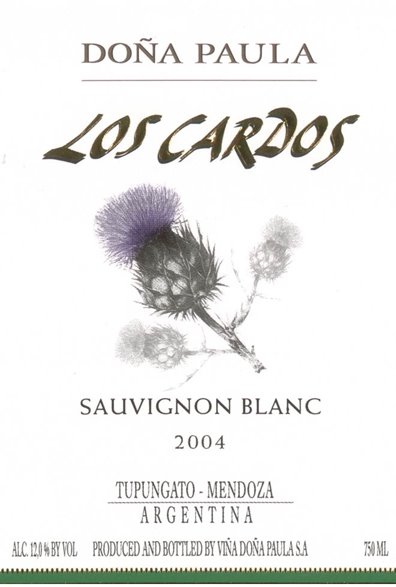
It is extremely important to have relatively cool vineyard sites to grow a SB with some expression. In Argentina, Vina Dona Paula/Los Cardos grows their SB at 1100 meters above sea level. It is estimated that average temperature drops 0.7 degrees Fahrenheit for every 100 meters over sea level. This is the nicest SB that we have tasted from Argentina and is under $7! Aromas and flavors of gooseberry, grapefruit, sweet green pepper, passion fruit, nectarines, lime and a hint of mineral. In Stelvin for freshness.
Los Cardos Sauvignon Blanc 2005 (Argentina) Retail $8.99 Warehouse $6.99

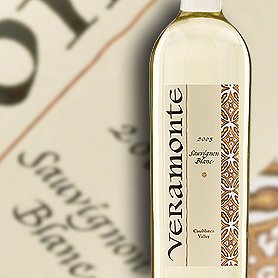
The Casablanca Valley is Chile’s answer to NZ’s Marlborough and California’s Carneros. Casablanca, Marlborough and Carneros are all influenced by the cool Pacific ocean. This cooling influence produces SB grapes with expression. Casablanca is so cool that early experiments with Cabernet and Merlot had failed due to the green characters that happen to work well with SB. OK, this wine can be a touch grassy; also lemon-limey and slightly herbal. Fresh and delicious. In Stelvin for freshness.
Veramonte Sauvignon Blanc ‘Casablanca Valley’ 2005 (Chile) Retail $8.99 Warehouse $5.99

Neil Ellis was one of the winemaking pioneers in South Africa to work with a GPS company that is able to identify areas in the country by soil and temperature. Neil was one of the pioneers in the Elgin region, and most importantly for SB, The Darling region and his Groenekloof vineyard. This vineyard lie just 8km off of a very cool Atlantic Ocean. ‘Sincerely’ is an homage to Sancerre as Charles Back’s Goats do Roam is an homage to the Cotes du Rhone. On the back label you will see ‘imitation is the sincerest form of flattery.’ Sincerely is a combination of Groenekloof fruit with some cool climate vineyards from Stellenbosch blended in. Neil also does a straight Groenekloof bottling. Lime, green apple and passion fruit are evident, with a pleasing crisp finish. In Stelvin for freshness.
Neil Ellis ‘Sincerely’ Sauvignon Blanc ‘Coastal’ 2005 (South Africa) Retail $13.99 Warehouse $9.99


Let’s not forget about California.

Many of California’s cooler vineyards are planted to Chardonnay and Pinot Noir as they have traditionally been able to get a higher price for these grapes. As SB becomes more en vogue, grapegrowers and vintners are searching out the cool mesoclimates for SB. These are some of our favorite California SBs.


At WW we have been buying wine from Girard since Steve Girard owned it back in the 80s. At the winery in Napa, Girard hits some of the riper flavors such as tangerine, green melon and lemon-lime. Three Napa vineyards are used for differing characters for added complexity. Girard ‘Napa Valley’Sauvignon Blanc 2005, Retail $16.99 Warehouse $12.99

Whitehall Lane winery always struck me as Napa Valley’s foray into cubism. Winery additions were not too subtle here, but the wines make up for it. Whitehall Lane’s 05 SB has 9% Semillon blended into it for a richer mouth-feel. This is the only wine mentioned in this blog that has any wood aging. 30% of the SB was barrel fermented in new French oak barrels. Look for the traditional grapefruit, green melon, lemon and a hint of peach in its character. In Stelvin for freshness. Whitehall Lane ‘Napa Valley’ Sauvignon Blanc 2005, Retail $15.99 Warehouse $12.99


The Kunde’s have been in the grape growing business in Sonoma County since 1879. Kunde controls over 2000 acres in Sonoma, and has an impressive cave system built into the mountain behind the winery. The winery is at the other end of the Oakville grade on the always adventurous trip over from Napa. Kunde’s SB is on the ripe and peachy side with a hint of grapefruit.
Kunde ‘Magnolia Lane’ Sauvignon Blanc 2004, Retail $12.99 Warehouse $9.99

Geyser Peak is now owned by conglomerate Fortune Brands and run by a pair of Australian winemakers. Geyser Peak has extensive land holdings and consistently produce some of the best values for the money in California. The 2005 Sauvignon Blanc has a California appellation as fruit is sourced in cool sites as far south as Monterey all the way up to Lake County. Lemongrass, grapefruit and tangerine highlight the bouquet and the palate. We have this wine at a crazy price.
Geyser Peak ‘California’ Sauvignon Blanc 2005, Retail $9.99 Warehouse $5.95

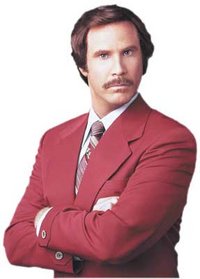
As Ron Burgundy would say, "Stay sassy, Florida!"

10 October, 2006

What a lovely appellation for a ‘summer home’

Pope Clement VI was ahead of his time. Beloved in France for having moved the Papal court to Avignon in the early 14th century, not only does Pope Clement have a Pessac-Leognan estate named after him in ‘Chateau Pape Clement,’ he is the one who chose to have a summer castle built in a village know as Calcernier. Calcernier was named for its previously most famous attribute, a limestone quarry. It turns out that these limestone based soils that are often covered in softball sized river cobbles, would turn out to be one of the greatest terroirs and most famous wine appellations in the world, Chateauneuf-du-Pape, the ‘Pope’s new castle.’
Chateauneuf-du-Pape is the heart and soul of the southern Rhone valley. The predominantly limestone based soils have good water holding capacity. With 2003-2005 being drought years in the southern Rhone, these soils enabled the dry-farmed vines to combat the ravages of the drought. The vines are trained close to the ground enabling the vines to take in the warmth of the soil at night and protects them from the mistral winds. ‘Le Mistral’ can be brutal, originating in the North Sea and coming directly from the north, these winds can pack a punch of up to 60mph. This wind can be cleansing to the vines as mildews and fungi have a hard time settling in, thus many of the southern Rhone producers are able to use less herbicides and fungicides with many farming organically. Le Mistral can be so ferocious that most buildings have no windows on their northern side, which is a handy tip for the occasionally lost wine tourist who is trying to figure out which direction that they are traveling.

Chateauneuf-du-Pape has 13 authorized grape varieties that can be utilized in its production, 8 of them red and 5 of them white. The most important red variety is Grenache Noir for its potency, with raspberry and cracked pepper characters. Syrah is known for its meaty and dark fruit characters with structure and tannins. Mourvedre’s character is meaty, spicy and saddle-leather. Mourvedre is grown in the warmest spots as it is a Mediterranean variety that is used to the heat. The other red varieties are Cinsaut, Muscardin, Vaccarese, Picpoul, Terret Noir and Counoise. Roussanne, Grenache Blanc, Clairette, Bourbelenc and Picardin are the permitted white varieties. The Perrin’s Chateau de Beacastel uses all 13 varieties in its red by using a small percentage of the white varieties to co-ferment with the red. The Bruniers at Vieux Telegraphe also co-ferment a small amount of white varieties into their CDP red. Co-fermentation experiments have shown that the co-fermented reds can actually turn out darker due to the chemical reaction between the red and white grapes. This process is also known in Hermitage with Syrah and Marsanne, in Cote Rotie with Syrah and Viognier, and is emerging as a trend in the new world with Shiraz/Viognier.

Chateauneuf-du-Pape had been traditionally undervalued and virtually ignored in the US until the late 1980’s when The Wine Advocate began giving CDP’s top producers some very high praise and its author Robert Parker wrote a book on the Rhone. The Parker press coupled with The Wine Spectator giving the 1989 Chateau de Beaucastel a 97 point rating and its #1 wine of the year for the 1989 release, and all of a sudden Chateauneuf-du-Pape was no longer a secret. We are fortunate as Rhone lovers to have a string of three fantastic vintages in 2003-2005 to both enjoy now, and anticipate their release. 2003 was a very hot and dry vintage that produced powerful and ripe red wines that will need a bit of time to sort out their rugged tannins. The best of these wines are superb. 2004 had small crop of balanced and very pure wines. The vintage was not as hot as 2003 and had more consistency. 2005 will be eagerly awaited as it was another drought year, yet had well timed rains and Mistral influence. 2005 will have great concentration, purity and structure.

Speaking of Wine Spectator’s ‘Top 100’ wines, we still have a small amount remaining of the Brunier family’s 2003 Vieux Telegraphe CDP red. A 93 pointer in The Wine Spectator that made the 2005 WS ‘Top 100’ and 92 pointer in Parker with notes of ‘deep ruby with some purple nuances, this wine is medium to full-bodied and reveals notes of licorice, pepper, Asian spices, black cherry, raspberry and currant, as well as a relatively big, sweet palate impression.’ This is comprised of 60% Grenache Noir, 15% Mourvedre, 15% Syrah, 5% Cinsaut, and 5% mix of several other authorized red and white varieties. Retail $54.99/WAREHOUSE $34.99

The Brunier’s also produce some other fantastic wines from in and around the southern Rhone Valley, such as:
Telegram Chateauneuf-du-Pape Rouge 2004 Retail $29.99/WAREHOUSE $24.99

Telegram Chateauneuf du Pape Blanc 2004 Retail $29.99/WAREHOUSE $24.99

Pallieres Gigondas Rouge 2001 Retail $25.99/WAREHOUSE $19.99

Domaine de Pallieres is an estate in the second most prestigious appellation within the southern Rhone Valley, Gigondas. This historic estate was purchased by the Bruniers in partnership with their American importer, Kermit Lynch. The Domaine consists of 62 planted acres of vines that average more than 50 years of age. Pallieres produces on average only about 6,000 cases per year. The wine is produced from 80% Grenache Noir, 10% Syrah, 5% Mourvedre, and 5% Cinsaut. Robert Parker had this to say about the 2001; ‘It represents the finest wine proprietors Kermit Lynch and Daniel Brunier have produced at the Domaine. A deep ruby/purple tinged color is followed by gorgeous aromatics of sweet and sour cherries, spice box, crushed stones, flowers, Provencal herbs, and loamy soil scents. 90 points’ Doesn’t that review just make you want to go out and cook something in your ‘Big Green Egg’ to enjoy with the Pallieres?

We have just received into our warehouse, ‘THE’ value wine in the Brunier’s portfolio, Le Pigeoulet en Provence 2005 Rouge. This wine is produced from 80% Grenache Noir, 10% Cinsaut, 5% Syrah, and 5% Carignan. The grapes are grown in the Vaucluse near Beaumes de Venise and is meant to be friendly and consumed in its youth. The strength of the 2005 vintage makes this one not to miss.
Retail $13.99/WAREHOUSE $10.99

As an aside, Daniel Brunier will be showing off his wares in November at our stores in Sarasota, Winter Park and Ft. Lauderdale. This is not to be missed.

Another top CDP producer from the Kermit Lynch stable is Domaine de la Charbonniere. According to Robert Parker, this Domaine is ‘a marvelous discovery.’ WW has brought in two of the Maret family’s selections, the ’Mourre des Perdrix,’ and the ‘Cuvee Viellles Vignes’ which is produced from vines averaging 80 plus years of age. Both of these wines are terrific values for CDP as these are retailing at the prices that you may find many negociant bottlings.

‘The ‘Mourre de Perdrix’ CDP 2003 reveals a saturated dark ruby/purple-tinged color a well as a classic perfume of black cherries, raspberries, flowers, and a notion of barnyard earth. This wine displays a wonderful sweetness, purity, and overall elegance resembling a synthesis in style between a Grand Cru Cotes de Nuits and a Chateauneuf du Pape.’ (90-92 points) Wine Advocate
Retail $44.99/WAREHOUSE $27.99

‘The ‘Cuvee Vielles Vignes’ CDP 2003 ‘exhibits notes of balsamic vinegar intermixed with damp earth, roasted Provencal herbs, and copious quantities of sweet kirsch liqueur and plums.’ (91-93 points) Wine Advocate
Retail $46.99/WAREHOUSE $29.99

It would be difficult to write about Chateauneuf-du-Pape without mentioning the Perrin family of Chateau de Beaucastel fame. There is still a smattering of the 2003 Beaucastel available in our stores with the 2004 set to arrive in November. The Perrins produce a cuvee of CDP called ‘Les Sinards’ from grapes grown at Beaucastel and also from a 10 acre vineyard in the northern sector of Chateauneuf-du-Pape. This could be the best value CDP available in the market. The 2003 made the ‘Top 100’ of the Wine Spectator and yet the Perrins feel that 2004 is a better vintage. The 2004 ‘Sinards’ has yet to be reviewed by the Wine Spectator and has received an (88-90) rating in the Wine Advocate with notes of ‘earthy, animal, and hints of saddle leather, black tea, sweet cherries and licorice. It is rich, medium to full-bodied and well made.’

Perrin Chateauneuf-du-Pape 'Les Sinards' 2004, Retail $29.99/WAREHOUSE $24.99

One cannot write about the Perrins without mentioning the incredible values that they offer to the consumer with their mid-tier offerings. WW is currently awaiting its next container of Perrin Cotes du Rhone and La Vieille Ferme. Arriving on this container will also be the Perrin Cotes du Rhone ‘Nature’ produced from organic grapes. Currently there are smokin’ prices on Perrin CDR Red and White and our version of ‘roll-back’ prices on LVF Cotes de Ventoux Red and Cotes du Luberon White.

Perrin Cotes du Rhone Red and White, Retail $10.99/WAREHOUSE $7.99
La Vieille Ferme Cote de Ventoux Rouge and Cotes du Luberon Blanc,
1.5 liters, retail $14.99/WAREHOUSE $9.99
750mls, retail $7.99/WAREHOUSE $5.99

Let’s go back to Gigondas for a moment. For those of you who are a fan of Rhone wines and have never taken the opportunity to try the Domaine du Cayron Gigondas, please do yourselves a favor. Try this 2003. The wine has a nice deep color with exotic notes of incense, roasted meats, rosemary, thyme, licorice, and black truffles. The wine has no hard edges, is extremely long and is a hedonistic experience. The varieties involved are approximately 70% Grenache Noir, 15% Syrah, and 15% Cinsaut and Mourvedre.
Retail $24.99/WAREHOUSE $19.99

Just to the west of Chateauneuf-du-Pape and to the north of Tavel is the commune of Lirac. This is where Marine Roussel works her magic at Domaine du Joncier. Her vines are planted in rocky soil amongst the Galets as found in CDP. This 35 year old vineyard has a mix of 50% Grenache Noir, 20% Syrah, 10% Mourvedre, and 10% Cinsaut. Some of you may have met Marine this summer doing a tasting in one of our stores on our ‘Return to France’ tour. We have two cuvees from Marine currently in the stores. As Kermit says; ‘when trying the Joncier wines, try to think of the smoky aroma of meat grilling over a campfire next to a bathtub full of wild blueberries.’ Good stuff!
Domaine du Joncier Lirac, Retail $15.99/WAREHOUSE $12.99
Domaine du Joncier Lirac ‘Les Muses’, Retail $19.99/WAREHOUSE $16.99

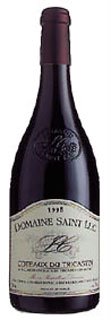
The region of Tricastin, bordering the Cotes du Rhone where it dips into Provence has more going on than meets the eye. Besides making some of the most interesting wines in the southern Rhone, the oak-covered hills of Tricastin are famous for truffles in the winter. From Domaine Saint Luc we carry both Coteaux du Tricastin rouge and Cotes du Rhone Villages. These wines have been perennial favorites in our stores. The Cotes du Rhone Villages red is a combination of 50% Grenache Noir, 35% Syrah,10% Carignan from 50 year old vines, and 5% Mourvedre from 100 year old vines. The Tricastin is produced from 70% Grenache Noir of 50 year old vines, and 30% Syrah of 30 year old vines. Both of these wines are terrific values.
Domaine Saint Luc ‘Coteaux du Tricastin’ Rouge 2004, Retail $11.99/
WAREHOUSE $8.99
Domaine St Luc ‘Cotes du Rhone Villages’ 2004, Retail $12.99/
WAREHOUSE $9.99


Hope everyone has fun exploring the southern Rhone. Watch out for Le Mistral………………

Merci beaucoups………